Choosing the right shipping method is one of the most important decisions for businesses involved in domestic or international trade. Whether you're transporting small, high-value products or large volumes of bulk cargo, selecting between air freight and sea freight can significantly impact your shipping costs, delivery timelines, and overall supply chain efficiency.
Both shipping methods offer unique advantages, and the right choice depends on your business requirements, budget, cargo type, and delivery deadlines. In this guide, we'll compare air freight and sea freight to help you determine which option is best for your business.
Understanding Air Freight
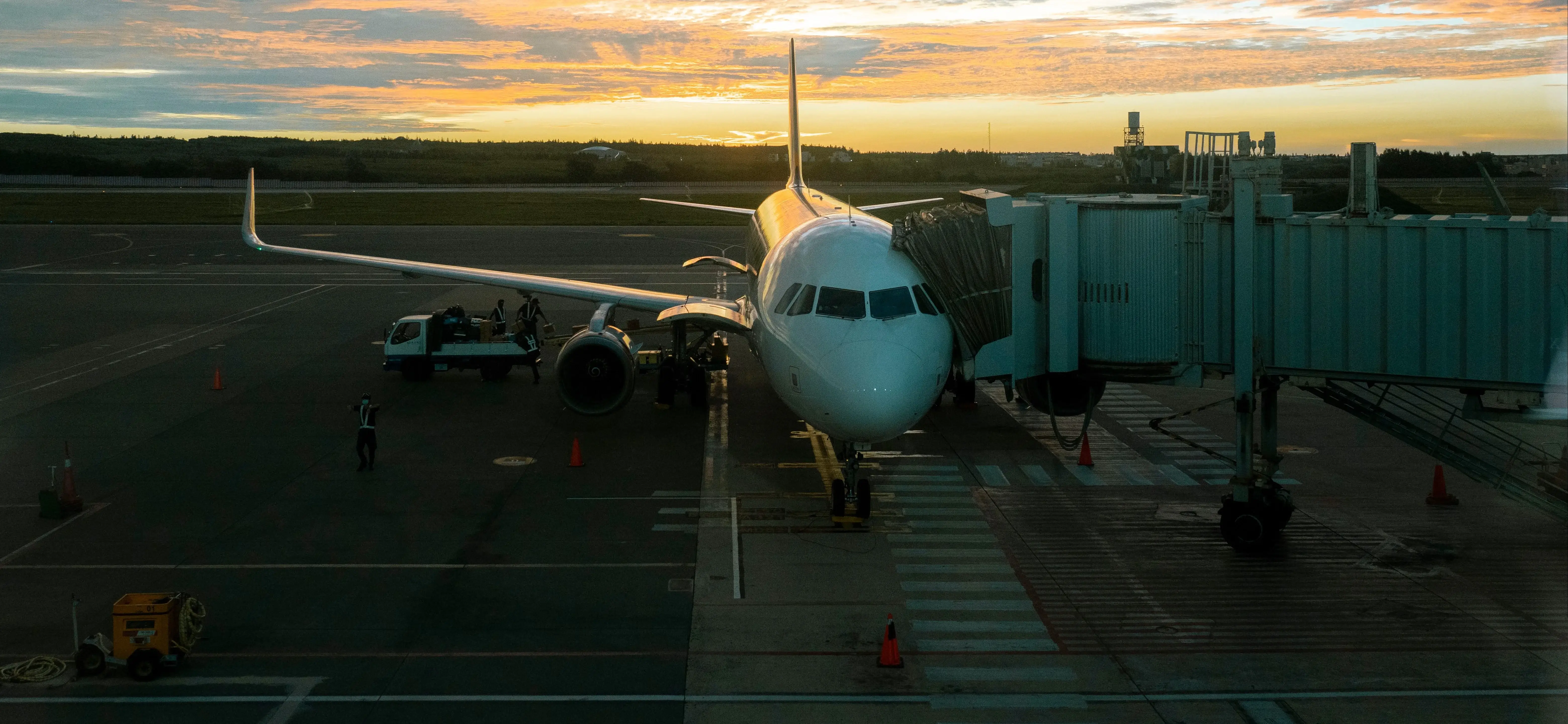
Air freight involves transporting goods by cargo aircraft. It is the fastest mode of transportation for domestic and international shipments, making it ideal for businesses that require quick and reliable deliveries.
Advantages of Air Freight
-
Fast Delivery
Air freight offers significantly shorter transit times compared to sea freight. International shipments that may take several weeks by sea can often be delivered within a few days by air.
-
High Reliability
Airlines operate on fixed schedules, making delivery times more predictable. This reliability helps businesses meet tight deadlines and maintain customer satisfaction.
-
Enhanced Security
Airports have strict security procedures, reducing the risk of theft, damage, or loss during transit. This makes air freight an excellent choice for valuable or sensitive goods.
-
Reduced Inventory Costs
Faster shipping means businesses can maintain lower inventory levels and replenish stock more quickly, improving cash flow and reducing warehousing costs.
Best Products for Air Freight
Fast Delivery
Air freight offers significantly shorter transit times compared to sea freight. International shipments that may take several weeks by sea can often be delivered within a few days by air.
High Reliability
Airlines operate on fixed schedules, making delivery times more predictable. This reliability helps businesses meet tight deadlines and maintain customer satisfaction.
Enhanced Security
Airports have strict security procedures, reducing the risk of theft, damage, or loss during transit. This makes air freight an excellent choice for valuable or sensitive goods.
Reduced Inventory Costs
Faster shipping means businesses can maintain lower inventory levels and replenish stock more quickly, improving cash flow and reducing warehousing costs.
Air freight is ideal for:
- Electronics
- Medical equipment and pharmaceuticals
- Fashion and apparel
- High-value goods
- Automotive parts
- Urgent replacement components
- Perishable products
Understanding Sea Freight
Sea freight transports goods using cargo ships and is the preferred choice for moving large quantities of goods internationally. Although transit times are longer, sea freight remains the most cost-effective option for bulk shipments.
Advantages of Sea Freight
-
Lower Shipping Costs
Sea freight is considerably more economical than air freight, especially for heavy or large-volume shipments.
-
Suitable for Large Cargo
Shipping containers can accommodate machinery, construction materials, furniture, industrial equipment, and oversized cargo that would be impractical to transport by air.
-
Flexible Container Options
Businesses can choose between:
- Full Container Load (FCL)
- Less than Container Load (LCL)
- Refrigerated Containers
- Open Top Containers
- Flat Rack Containers
This flexibility allows companies to optimize shipping costs based on cargo size.
-
Environmentally Friendly
Compared to air freight, sea freight generally produces lower carbon emissions per ton of cargo transported, making it a more sustainable shipping option for large shipments.
Can You Use Both?
Lower Shipping Costs
Sea freight is considerably more economical than air freight, especially for heavy or large-volume shipments.
Suitable for Large Cargo
Shipping containers can accommodate machinery, construction materials, furniture, industrial equipment, and oversized cargo that would be impractical to transport by air.
Flexible Container Options
Businesses can choose between:
- Full Container Load (FCL)
- Less than Container Load (LCL)
- Refrigerated Containers
- Open Top Containers
- Flat Rack Containers
This flexibility allows companies to optimize shipping costs based on cargo size.
Environmentally Friendly
Compared to air freight, sea freight generally produces lower carbon emissions per ton of cargo transported, making it a more sustainable shipping option for large shipments.
Many businesses combine air and sea freight to optimize costs and delivery times. For example:
- Use air freight for urgent orders and product launches.
- Use sea freight for routine inventory replenishment and bulk shipments.
A flexible shipping strategy helps businesses maintain efficiency while controlling logistics expenses.
Conclusion
There is no one-size-fits-all answer when choosing between air freight and sea freight. The right option depends on your shipping priorities, cargo type, delivery timeline, and budget.
If speed, security, and reliability are your top priorities, air freight is the ideal solution. If you're transporting heavy or bulk cargo and want to reduce shipping costs, sea freight is the smarter choice.
Working with an experienced logistics partner can help you evaluate your shipping needs and recommend the most efficient and cost-effective transportation solution for your business.